
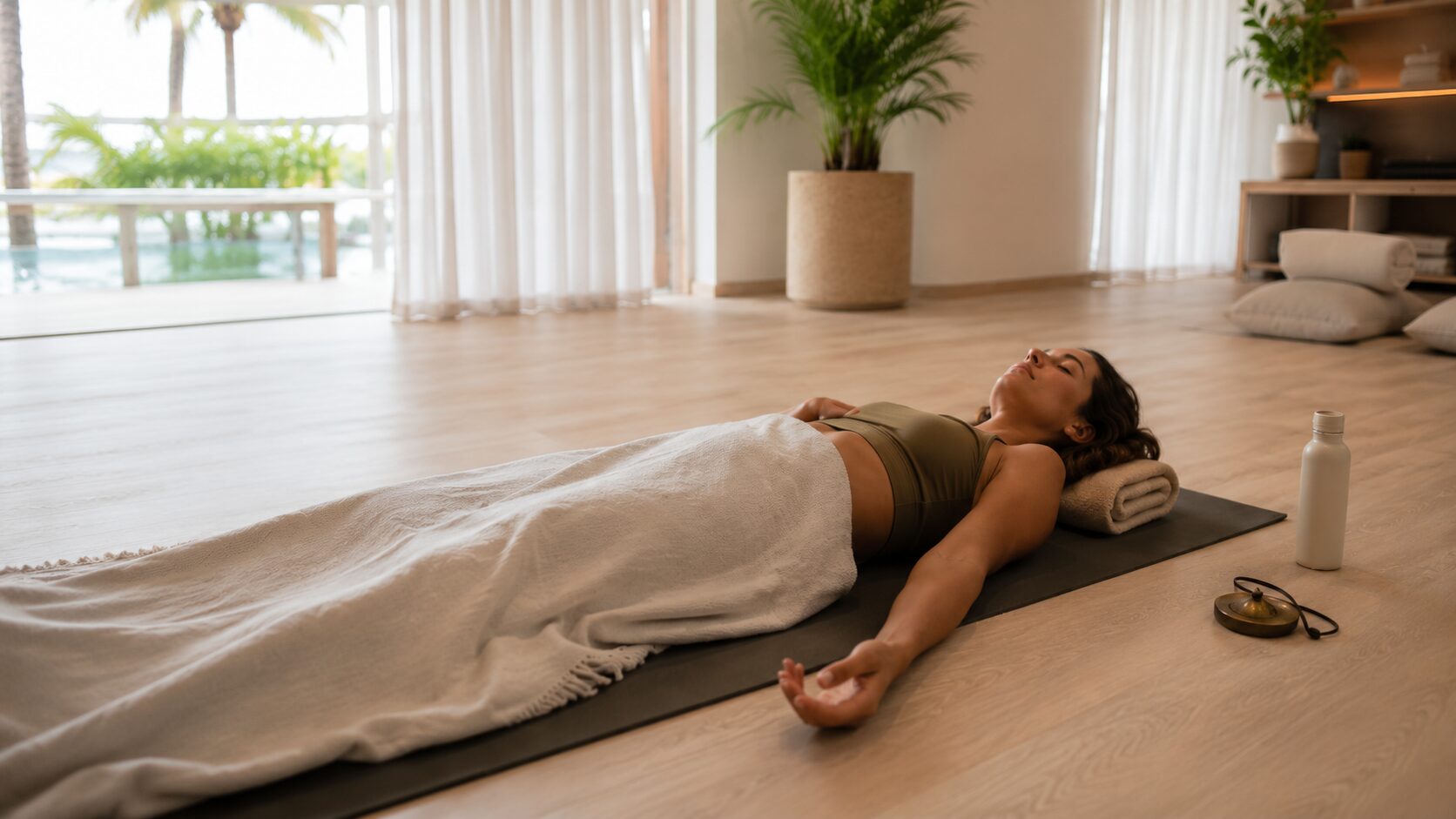

What Happens During a Breathwork Session in Miami?
If you are curious about breathwork but unsure what actually happens in a session, you are not alone. Many people feel drawn to the practice before they fully understand it. They may have heard that breathwork can feel powerful, emotional, calming, or transformative, but they still wonder: What will I be asked to do? What will I feel? Is it safe for beginners? Will I know how to breathe correctly?
A guided breathwork session is not about performing. It is not about forcing an experience or trying to reach a specific outcome. It is a supported space where the breath becomes a doorway into the body, emotions, nervous system, and deeper self-awareness.
At Breathe Your Way Home, breathwork is about returning to yourself. The practice invites you to slow down, breathe with intention, and create space for whatever is ready to be felt, released, or understood.
If you are considering a breathwork session in Miami, this guide will walk you through what to expect before, during, and after the experience.
What Is a Breathwork Session?
A breathwork session is a guided experience that uses intentional breathing patterns to support self-awareness, emotional release, nervous system regulation, and deeper connection to the body.
Unlike normal everyday breathing, breathwork asks you to breathe consciously. A facilitator guides you through the process, helps you understand the breathing pattern, and holds a supportive space while your body and emotions respond.
Different breathwork styles can look and feel different. Some are slow and meditative. Others are more active and expressive. At Breathe Your Way Home, sessions are rooted in dimensional breathwork, a guided practice that invites you inward through deep conscious breathing, music, presence, and integration.
The purpose of a session is not to “fix” you. The purpose is to help you access what is already within you: breath, awareness, emotion, energy, clarity, and connection.
Who Is Breathwork For?
Breathwork can be meaningful for people who feel stressed, disconnected, emotionally blocked, overwhelmed, or ready for a deeper relationship with themselves.
Many people seek a private breathwork session in Miami because they want a space that is focused entirely on their own experience. Others are simply curious and want to understand what guided breathwork feels like.
Breathwork may be supportive if you are:
- Feeling disconnected from your body
- Moving through a life transition
- Carrying stress or emotional heaviness
- Seeking more clarity and self-awareness
- Wanting to feel more grounded
- Curious about emotional release breathwork
- New to breathwork and looking for beginner-friendly guidance
Breathwork is not a substitute for medical care or mental health treatment, and it should not be treated as a cure for any condition. If you are pregnant, have cardiovascular concerns, a history of seizures, certain psychiatric conditions, or any medical questions, it is important to consult a qualified healthcare professional before participating.
The right breathwork space should feel supportive, consent-based, and grounded. You should be encouraged to listen to your body and move at a pace that feels safe.
Before Your Session: What to Expect
Before a guided breathwork session, you may be asked a few questions about how you are feeling, what is bringing you to the practice, and whether there is anything your facilitator should know before beginning.
This conversation helps create context. You do not need to arrive with a perfect intention, but it can be helpful to reflect on what you are hoping to explore.
You might ask yourself:
- What am I ready to feel or release?
- Where do I feel tension or heaviness in my body?
- What part of myself am I wanting to reconnect with?
- Am I seeking clarity, calm, expression, or simply presence?
You do not need to have the answer. Sometimes the breath reveals what the mind cannot name yet.
For comfort, it is usually best to wear clothing you can relax in. Avoid eating a heavy meal right before the session. Bring water, and give yourself enough time afterward so you do not have to rush immediately into the next thing.
The Opening: Grounding and Intention
Most breathwork sessions begin with grounding. This may include a short conversation, gentle guidance, stillness, body awareness, or a moment to set an intention.
The intention is not a demand. It is more like a doorway. It gives your system a place to begin.
Your intention might be simple:
- I am open to feeling what is present.
- I am ready to come back to my body.
- I want to release what no longer serves me.
- I want to feel more connected to myself.
At Breathe Your Way Home, this opening space matters. Breathwork can be vulnerable, so the beginning of the session helps create trust, safety, and presence before the active breathing begins.
The Breathing Practice: Conscious Connected Breathing
During the active portion of a dimensional breathwork session, you will be guided into a conscious breathing pattern. This may involve connected breathing, where the inhale and exhale flow together without long pauses.
The breath may be deeper or more rhythmic than your normal breathing. Your facilitator will explain the technique before you begin and may continue to guide you throughout the experience.
As you breathe, the mind may become quieter, and the body may become more present. Some people feel emotion. Some feel tingling, warmth, energy, or movement. Some feel calm or spacious. Others experience memories, insights, or sensations they did not expect.
No two sessions are exactly alike.
The important thing is that you do not have to force anything. Breathwork is not about chasing a breakthrough. It is about staying with the breath and allowing your body to lead the way.
What Might You Feel During Breathwork?
People often ask what breathwork feels like. The honest answer is that it varies.
Some common experiences may include:
- Tingling in the hands, face, or body
- Warmth or waves of energy
- Emotional release such as crying or laughter
- Memories or images
- A sense of lightness
- A sense of grounding
- Physical movement or the urge to stretch
- Deep relaxation
- Clarity or insight
- A feeling of reconnection
Sometimes breathwork brings emotion to the surface. This does not mean something is wrong. The body may simply be expressing what has been held inside.
Other times, the experience is quiet. A session does not have to be dramatic to be meaningful. Feeling safe, soft, rested, or present can be just as powerful as a big emotional release.
Emotional Release and Nervous System Support
One reason people are drawn to breathwork is because it can help them move beyond the thinking mind.
Many people try to understand their feelings intellectually. They analyze, explain, and manage. While reflection can be valuable, some emotions are not fully processed through thought alone. They live in the body.
Breathwork creates a space where the body can participate in the process. Through guided breathing, people may access emotion, sensation, or awareness that has been difficult to reach through conversation or thinking.
This is why emotional release breathwork can feel so meaningful. It allows the body to express what may have been held, restricted, or pushed aside.
Breathwork can also support nervous system regulation by helping you build a deeper relationship with your internal state. You may begin to notice when you are tense, guarded, activated, or disconnected. Over time, this awareness can help you return to yourself more gently.
Again, breathwork is not a medical treatment or cure. But as a self-awareness and embodiment practice, it can offer powerful support.
Integration: What Happens After the Breathing Ends?
The end of the active breathwork is not the end of the session. Integration is an important part of the experience.
After the breathing portion, you may be guided into rest. Your body may need time to settle. You may feel peaceful, emotional, tired, clear, open, or quiet.
Integration may include:
- Resting in stillness
- Drinking water
- Journaling
- Sharing what came up
- Gentle grounding
- Noticing sensations in the body
- Taking time before returning to your day
This part matters because breathwork can open meaningful inner material. Giving yourself space afterward helps the experience land.
If possible, avoid rushing into a stressful meeting, intense workout, or busy social environment immediately after your session. A slower transition can support the body as it integrates.
How to Prepare for a Breathwork Session in Miami
If you are preparing for your first guided breathwork session, keep it simple.
Wear comfortable clothing. Hydrate before and after. Avoid a heavy meal right before the session. Arrive with curiosity instead of pressure. You do not need to know exactly what will happen.
It can also help to set aside a few minutes after the session for reflection. You may want to write down anything you noticed, felt, released, or understood.
If you are attending an in-person breathwork session in Miami, give yourself extra time for parking, traffic, and arrival so you are not entering the space rushed.
Most importantly, remember that breathwork is a practice of listening. Your body does not need to perform. Your breath simply needs your attention.
Is a Private Breathwork Session Different From a Group Session?
Yes. Both private and group breathwork sessions can be valuable, but they offer different experiences.
A private breathwork session gives you more individualized support. The facilitator can focus on your intention, your pace, and your integration. This can be especially helpful if you are new to breathwork, moving through something personal, or wanting a deeper one-on-one container.
A group session can offer a sense of shared energy and community. Breathing alongside others can feel powerful and supportive, especially when the space is held with care.
At Breathe Your Way Home, you can explore guided breathwork sessions and choose the kind of support that feels aligned for you.
FAQs About Breathwork Sessions
What happens in a breathwork session?
In a breathwork session, a facilitator guides you through intentional breathing patterns designed to support awareness, embodiment, emotional release, and integration. Sessions often include grounding, active breathing, rest, and reflection.
Is breathwork beginner-friendly?
Yes, breathwork can be beginner-friendly when guided with care. You do not need previous experience. A facilitator should explain the breathing pattern, help you understand what to expect, and encourage you to listen to your body.
What should I wear to a breathwork session?
Wear comfortable clothing that allows you to breathe and relax easily. You may be lying down for much of the session, so choose something soft and non-restrictive.
Can I do breathwork if I feel nervous?
Feeling nervous before a first session is normal. A good facilitator will help you feel prepared, answer questions, and remind you that you can move at your own pace. If you have medical concerns, check with a qualified healthcare professional before participating.
How will I feel after breathwork?
After breathwork, some people feel calm, clear, emotional, tired, grounded, or open. Everyone responds differently. It is helpful to give yourself time to rest and integrate after the session.
Beginning With the Breath
A breathwork session is not about becoming someone else. It is about creating enough space to reconnect with who you are beneath the noise, pressure, and protection.
Through guided breath, you can begin to notice what your body is holding. You can soften into presence. You can create room for release, clarity, and connection.
If you are curious about dimensional breathwork in Miami, Breathe Your Way Home offers a grounded space to explore the practice with care.
You can learn more about what breathwork is, explore breathwork benefits, or book a breathwork session in Miami when you feel ready.